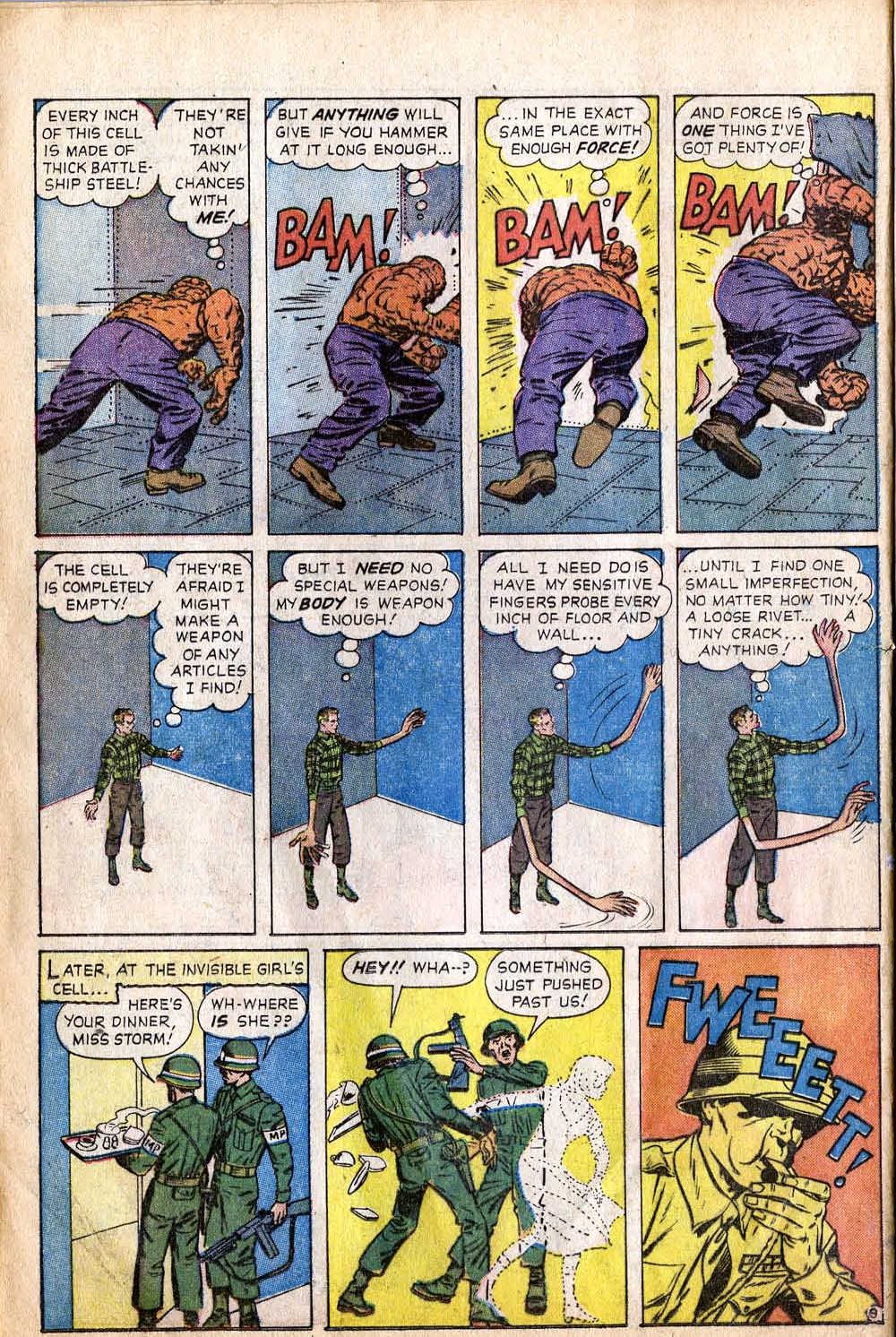
Step back into the nascent days of the Marvel Universe, a time when Jack Kirby's dynamic pencils and Stan Lee's energetic prose were forging an entirely new brand of superhero storytelling. Today, we're zeroing in on a pivotal early issue that cemented the Fantastic Four's legacy and laid groundwork for one of comics' most enduring villains: The Art & Writing of Fantastic Four #4 (Lee & Kirby). This isn't just another comic book; it’s a masterclass in foundational character development, visual storytelling, and the raw energy that defined the Marvel Age.
For anyone looking to understand the core appeal of the Fantastic Four, or indeed, the very essence of early Marvel, issue #4 is a prime exhibit. It’s where the team truly begins to gel, where their distinct personalities shine, and where the formidable Doctor Doom makes a startling return, immediately elevating the stakes for Marvel's First Family.
At a Glance: Fantastic Four #4's Enduring Impact
- Birth of a Legend (Redux): Witness the dramatic return of Doctor Doom, solidifying his role as a quintessential Marvel villain.
- Kirby's Evolving Artistry: Experience Jack "King" Kirby's groundbreaking layouts, kinetic action, and evolving character designs that would define the era.
- Lee's Human Touch: Dive into Stan Lee's witty dialogue and character-driven narration, which brought relatable personalities to super-powered beings.
- The Marvel Method in Action: See the early, raw synergy between writer and artist that revolutionized comic book creation.
- Pivotal Character Moments: Observe key interactions that deepen our understanding of Reed, Sue, Johnny, and Ben's unique family dynamic.
- A Cornerstone Issue: Understand why this issue is essential reading for appreciating the foundation of the Marvel Universe.
The Dawn of Marvel's First Family: Setting the Stage
Before we plunge into the intricacies of issue #4, it's crucial to recall the revolutionary context of Fantastic Four's debut in 1961. Co-created by artist Jack "King" Kirby and writer Stan Lee, this team wasn't born in the classic mold of stoic, infallible heroes. Instead, they were a squabbling, struggling, fundamentally human family—scientists, pilots, and engineers who gained incredible powers from a cosmic ray blast. This grounded approach, combined with Kirby's breathtaking, dynamic artwork, launched what is now known as the Marvel Age of Comics.
The early issues were a frantic explosion of ideas, with Lee and Kirby experimenting wildly. By issue #4, they were already refining their formula, pushing boundaries, and most importantly, listening to their burgeoning fanbase. It was a time of rapid innovation, where each new issue felt like a fresh discovery, often featuring first appearances or significant developments that would reverberate for decades. Understanding this feverish creative environment helps us appreciate the raw, unpolished brilliance inherent in Fantastic Four #4.
The Triumphant Return of a Tyrant: Doctor Doom's Second Act
For many, Fantastic Four #4 is synonymous with one monumental event: the unexpected return of Doctor Doom. Having made his chilling debut in issue #5 (published before #4, due to Marvel's often non-sequential publishing order in its early days), Doom quickly established himself as a menacing intellectual rival to Reed Richards. His re-emergence in issue #4, however, isn't just a simple repeat performance; it’s a declaration of intent, a deepening of his villainy, and a definitive step towards his iconic status.
Lee and Kirby's decision to bring Doom back so swiftly speaks volumes about his immediate impact. They recognized the character's potential to provide not just physical threats, but profound psychological challenges for the Fantastic Four. In issue #4, Doom's return is presented with a theatricality that only Kirby could achieve. We see him manipulating the Sub-Mariner, not through brute force, but through cunning and the allure of reclaiming Atlantis, showcasing his strategic genius and cold charisma.
The sheer audacity of Doom's plan—to use the Sub-Mariner as a pawn in his vendetta against the FF—highlights his manipulative prowess. He doesn't just want to defeat them; he wants to break them, to prove his intellectual superiority. This issue firmly establishes Doom not merely as a supervillain, but as a complex, driven force of nature, a shadow to Reed Richards' light, and a character whose motivations are rooted in a deep-seated inferiority complex masked by a thirst for absolute power. The narrative threads woven here regarding Doom set the precedent for countless confrontations to come, ensuring he would never be just a "villain of the week."
Kirby's Kinetic Canvas: Decoding the King's Artistry
Jack Kirby's artwork in Fantastic Four #4 is a masterclass in dynamic storytelling, a visual symphony that propels the narrative forward with an almost unmatched energy. This issue offers a remarkable snapshot of Kirby's evolving style during the Silver Age, showcasing why his original art is so highly prized and meticulously reproduced in collections like Dark Horse’s "The Art of Fantastic Four" oversized editions.
When you look at a page from Fantastic Four #4, you're not just seeing drawings; you're experiencing movement, emotion, and raw power. Kirby's ability to convey scale and impact is legendary. Consider how he draws the Thing: Ben Grimm isn't just a rocky brute; he's a towering force, every punch feeling genuinely impactful, every grimace conveying his inner turmoil. Similarly, the Human Torch's flight paths are imbued with speed, and Invisible Girl's force fields possess a tangible, shimmering presence.
Key Visual Elements to Observe:
- Dynamic Poses and Foreshortening: Kirby rarely draws static figures. His characters are almost always in motion, leaping, punching, or reacting. Look for the dramatic foreshortening that makes characters seem to burst off the page, particularly in action sequences.
- Energy Lines and Impact Bursts: To convey power and speed, Kirby utilized a distinctive vocabulary of energy lines. The radiating lines around the Human Torch, the "Kirby Krackle" (black dots and squiggles) signifying cosmic or abstract energy, and the impact bursts from punches are all prevalent here, giving the action a visceral feel.
- Expressive Faces: While sometimes criticized for having a "house style," Kirby's faces in FF #4 are remarkably expressive, especially for Ben Grimm and Mister Fantastic. Reed's stretched expressions, Ben's anguish or fury, and Doom's cold, metallic gaze all contribute significantly to the characterization.
- Panel Layout and Pacing: Kirby's panel layouts are far from rigid. He often breaks the grid with diagonal lines, overlapping panels, and large, splash-page-like compositions that emphasize key moments. This keeps the reader's eye moving and dictates the pacing of the story, accelerating during action and slowing for moments of dramatic tension.
- Background Detail: While not as hyper-detailed as some later artists, Kirby’s backgrounds in FF #4 provide crucial context and atmosphere. Whether it’s the bustling city streets or the desolate underwater realm, these details ground the fantastic in a believable world, a hallmark of the early Marvel Universe.
To truly appreciate Kirby's art in this issue, take a moment to pause on individual panels. Don't just follow the story; feel the visual impact. The way the Human Torch flies into a battle, the sheer mass of the Thing, or the menacing posture of Doctor Doom — these are deliberate artistic choices designed to evoke specific emotions and escalate the narrative. It's a testament to Kirby's enduring artistic legacy that these early works still captivate and inspire.
Stan Lee's Conversational Cadence: The Voice of the Fantastic Four
While Kirby provided the visual fireworks, Stan Lee brought the wit, heart, and distinctive voices that made the Fantastic Four truly fantastic. In Fantastic Four #4, Lee's writing showcases his burgeoning "Marvel Method" strengths: imbuing super-powered beings with very human concerns, anxieties, and banter.
Lee's dialogue is vibrant and often overlapping, reflecting the family dynamic. Johnny Storm's youthful bravado, Ben Grimm's gruff complaints, Reed Richards' scientific exposition, and Sue Storm's more measured observations all coalesce into a conversational symphony that felt revolutionary at the time. Characters argue, they tease, they worry about rent and their public image—these were not your father's infallible superheroes.
Elements of Lee's Writing in FF #4:
- Distinct Character Voices: Each member of the FF has a unique voice that makes them instantly recognizable. Ben's Brooklyn tough-guy slang, Johnny's hip youthful lingo, Reed's formal scientific explanations, and Sue's compassionate yet firm tone are all evident here.
- Internal Monologues and Thought Balloons: Lee frequently used thought balloons and narrative captions to provide insight into characters' inner lives, their fears, motivations, and insecurities. This was a crucial technique for making them relatable and adding psychological depth.
- Humor and Banter: The lighthearted squabbling and sarcastic jabs between the team members—especially Ben and Johnny—were a hallmark of Lee's writing and a major differentiator from the more serious tone of contemporary DC Comics. This issue has several memorable exchanges that highlight this dynamic.
- Exposition as Entertainment: Lee had a knack for weaving necessary exposition into engaging dialogue or exciting narrative captions. He rarely just told; he often showed through the characters' reactions and interactions.
- Pacing and Dramatic Flair: Lee understood how to build tension, deliver a dramatic reveal, and craft a compelling cliffhanger. The pacing of the dialogue often mirrors the action, speeding up during fights and becoming more introspective during moments of character reflection.
The interplay between Lee's words and Kirby's art is what truly defines the "Marvel Method," a collaborative process where Kirby would often plot the story visually based on a brief synopsis from Lee, then Lee would add the dialogue and captions. This method, while sometimes debated in terms of individual creative credit, undeniably produced a synergy that made early Marvel comics crackle with life. In issue #4, you can feel the energy of this collaboration, a foundational piece of the unique Lee-Kirby collaboration.
The Marvel Method: A Glimpse Behind the Curtain of Creation
Understanding Fantastic Four #4 isn't complete without acknowledging the "Marvel Method" of comic book creation, which was in full swing during this era. Unlike the traditional "full script" method where a writer dictates every panel and line of dialogue, the Marvel Method was a more fluid, organic partnership, particularly between Lee and Kirby.
Typically, Stan Lee would provide Kirby with a basic plot outline—perhaps just a few sentences: "The Fantastic Four encounter Doctor Doom again. He tries to get Namor to help him. Big fight ensues." Kirby would then take this outline and, with his unparalleled visual imagination, draw the entire comic book, panel by panel, laying out the action, character expressions, and narrative flow.
Once Kirby completed the pencil art, it would return to Lee, who would then add the dialogue, captions, and sound effects. This allowed Lee to react to Kirby's visual storytelling, often finding new nuances or comedic beats that he hadn't initially planned. It was a symbiotic relationship, fostering spontaneity and allowing each creator's strengths to shine.
Pros and Cons of the Marvel Method (as seen in FF #4):
- Pros:
- Speed and Productivity: Allowed for an immense output of comics, essential for Marvel's growth.
- Visual Storytelling Dominance: Gave artists like Kirby unparalleled freedom to innovate visually, leading to groundbreaking layouts and action sequences.
- Organic Pacing: The story could evolve visually, with Lee then tailoring the dialogue to enhance the existing art.
- Humanity: Lee could infuse raw, human reactions and witty banter into already dynamic visuals.
- Cons:
- Credit Disputes: Later led to contentious debates over who contributed more to the plot and story, a sensitive topic for many fans and historians.
- Inconsistent Voice: Occasionally, the tone might shift if Lee interpreted Kirby's visuals differently than intended.
- Less Detailed Plotting: Some stories might feel less tightly plotted than those created with a full script.
In Fantastic Four #4, the Marvel Method works beautifully. Kirby's artistic vision drives the narrative forward with relentless energy, while Lee's dialogue adds depth, humor, and a uniquely human dimension to the super-powered struggles. It's a perfect encapsulation of how their combined genius, facilitated by this innovative approach, transformed the comic book landscape.
What to Look For: Deeper Appreciation of FF #4
Revisiting Fantastic Four #4 isn't just about nostalgia; it's an opportunity to study foundational comic book storytelling. Here's a quick guide to what to focus on for a richer reading experience:
- The Ben Grimm/Human Torch Dynamic: Pay close attention to their bickering. It's not just comedic relief; it highlights their youth, their contrasting personalities, and a deep-seated affection often masked by insults. This early issue helps define their iconic love-hate relationship.
- Invisible Girl's Evolving Role: While Sue Storm sometimes felt sidelined in very early issues, #4 shows glimpses of her growing importance, both as a tactical asset with her force fields (though less developed than later) and as the emotional core of the team. Look for moments where she provides crucial support or demonstrates nascent leadership.
- Reed Richards as the Reluctant Leader: Reed is often portrayed as absorbed in his science, but here you see his strategic mind at work, trying to outthink Doom. His stretching powers are often used for utility and defense rather than just offense, reflecting his scientific approach.
- The Introduction of Atlantis (Sort Of): While the Sub-Mariner is featured, the issue also provides a quick look into Namor's kingdom, adding another layer to the nascent Marvel Universe and hinting at future conflicts and alliances.
- Iconic Panels: Look for specific panels that have become iconic or frequently referenced. Kirby's splash pages or dramatic action sequences often stand out and demonstrate his mastery.
- The Narrative Flow: How does the story progress from one scene to the next? Notice the balance between action, character interaction, and exposition. Lee and Kirby were masters of pacing, keeping the reader engaged from splash page to cliffhanger.
This issue, as a standalone piece, gives you a clear sense of what made the Fantastic Four special from the very beginning. Learn more about Fantastic Four #4 to truly grasp its historical and creative significance.
Beyond the Panels: The Lasting Legacy of Fantastic Four #4
Fantastic Four #4 isn't merely an early installment in a long-running series; it's a critical touchstone in the development of the Marvel Universe. Its impact reverberates across decades of comic book history, influencing countless creators and stories.
- Establishing a Top-Tier Villain: The return of Doctor Doom cemented his place in the pantheon of great comic book antagonists. His blend of intellect, arrogance, and sheer theatricality provided a benchmark for future villains and a perfect foil for Reed Richards. Without this issue, Doom's trajectory might have been very different.
- Refining the Team Dynamic: This issue further refined the Fantastic Four's internal relationships. The arguments, the camaraderie, the sacrifices—these elements solidified their "family" identity, making them relatable and endearing to readers in a way that traditional, stoic heroes often weren't.
- Showcasing the Marvel Method's Power: As discussed, this issue is a prime example of the Lee/Kirby collaboration at its energetic best. It demonstrates how two creative titans could mesh their talents to produce something greater than the sum of its parts, even within a flexible, less structured process.
- A Blueprint for Future Storytelling: The blend of high-stakes action, character-driven drama, and a touch of humor found in Fantastic Four #4 became a template for much of the Marvel line. It proved that superhero comics could be sophisticated, emotionally resonant, and wildly entertaining all at once.
- Collector's Item and Historical Artifact: For collectors and historians, Fantastic Four #4 is a prized possession, representing a crucial moment in the early days of Marvel. Its significance ensures its value and its place in archival collections that seek to honor the pioneers of the comic book industry.
The comprehensive guides people enjoy reading often illuminate not just what happened, but why it matters. And in the case of Fantastic Four #4, it matters because it’s a foundational document of superhero fiction, demonstrating how art and writing, when perfectly harmonized, can create stories that stand the test of time and redefine an entire medium.
Your Next Step: Engaging with Early Marvel
You've now explored the layers of artistic and literary genius that define Fantastic Four #4. But intellectual appreciation is only half the fun; the real magic happens when you engage directly with the material.
If you're eager to delve deeper into the raw, groundbreaking period of Marvel, here's how you can continue your journey:
- Seek Out the Source Material: The best way to understand Fantastic Four #4 is to read it yourself. Original copies can be pricey, but it's readily available in digital formats, reprints, and various collected editions. Pay attention to the elements we discussed: Kirby's panel layouts, Lee's dialogue, and the sheer energy emanating from every page.
- Explore Companion Works: Marvel has released numerous archival collections, including the "Marvel Masterworks" series and the aforementioned "The Art of Fantastic Four" oversized hardcover, which features original art from Kirby's run. These often include essays and commentary that provide even deeper insights.
- Read About the Creators: Dive into biographies of Stan Lee and Jack Kirby. Understanding their individual journeys and their complex partnership will enrich your appreciation of their collaborative work.
- Connect with the Community: Join online forums, social media groups, or local comic book clubs dedicated to classic Marvel. Discussing these issues with other fans can uncover new perspectives and foster a deeper love for the medium.
Fantastic Four #4 isn't just a comic; it's a vital piece of pop culture history. By engaging with it actively, you're not just reading a story; you're witnessing the very crucible where the modern superhero mythos was forged, offering a timeless adventure that continues to resonate with readers today.