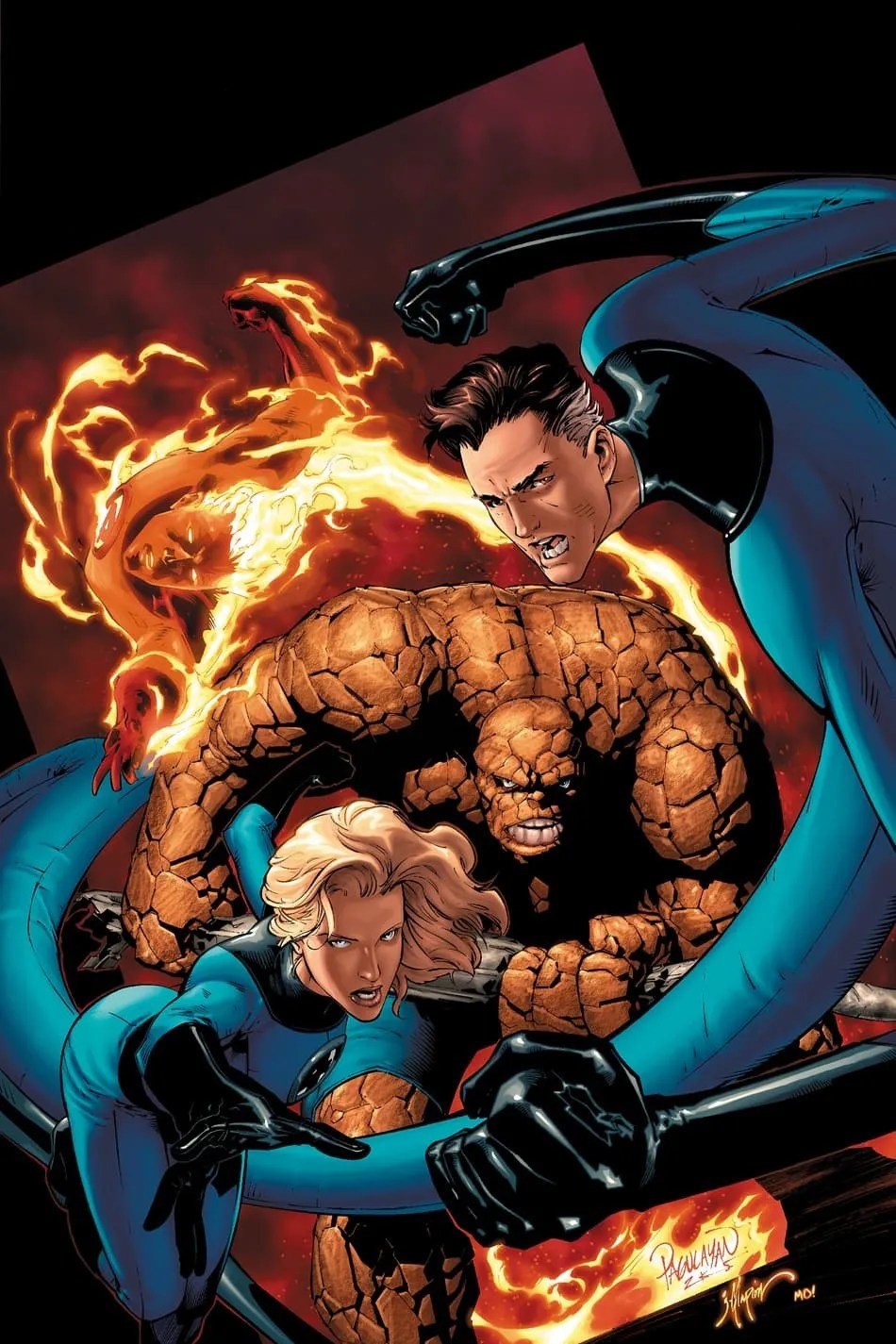
Step back to the dawn of the Marvel Age, a time when four ordinary individuals transformed into extraordinary heroes, forever changing the landscape of comic books. "Fantastic Four #4," published in 1962, isn't just another issue; it's a seismic event that reverberated through superhero history, marking the triumphant return of Marvel's first mutant anti-hero, Namor the Sub-Mariner, and setting a precedent for epic conflicts to come. This comic is a cornerstone, illustrating the raw, dynamic energy that Stan Lee and Jack Kirby infused into their early works, perfectly capturing the team's struggles, triumphs, and the ever-present threat of a world grappling with super-powered beings.
Imagine a New York City bracing for impact, not from a cosmic entity like Galactus as seen in modern cinematic takes like "The Fantastic Four: First Steps," but from a colossal monster unleashed by the vengeful King of Atlantis. That's precisely the high-stakes drama that unfolds in "Fantastic Four #4," forcing the world's first superhero family to unite against an unparalleled threat to the Big Apple. This era, echoing the retro-futuristic 1960s setting of the latest MCU film, showcases the Fantastic Four navigating a world rapidly changing around them, facing down foes and finding their footing as public figures.
The Genesis of a Classic Conflict: Namor's Return
Before "Fantastic Four #4," Namor the Sub-Mariner was largely a forgotten hero from Marvel's Golden Age. This issue, however, dramatically reintroduces him, not as a hero, but as a formidable force of nature with a deeply personal vendetta. It's a testament to the creative genius of Stan Lee and Jack Kirby that they could take a character from obscurity and immediately elevate him to iconic status. The story kicks off with the Human Torch, ever the hothead, ditching his teammates, only to stumble upon an amnesiac Namor in a forgotten flophouse. This chance encounter ignites a chain of events that forever alters the Marvel Universe.
To truly understand the genius of this narrative, you'll want to Fantastic Four #4 plot analysis Dive deep into our detailed breakdown, uncovering every twist and turn as the Torch inadvertently helps Namor regain his memory, leading directly to the Atlantean monarch's furious declaration of war on the surface world.
The Clash of Titans: Heroes, Villains, and Resurrections
"Fantastic Four #4" is a masterclass in character reintroduction and development. It's here that Namor is cemented as a "noble anti-hero," a complex figure driven by a potent mix of pride, sorrow, and a fierce protectiveness of his aquatic kingdom. His rage is palpable, leading him to summon the monstrous Giganto to exact his revenge on New York City. This pivotal moment showcases the Fantastic Four's individual strengths and their developing team dynamic, as they rally to defend humanity against an opponent who views them as invaders.
From the runaway Human Torch to the amnesiac Sub-Mariner and the world's most elastic hero, Mr. Fantastic, this issue is packed with memorable personalities. Our Key Characters & First Appearances guide offers an in-depth look at who’s who, exploring the motivations and impact of every major player making their mark in this landmark issue.
The Unmistakable Mark of Lee and Kirby
The magic of "Fantastic Four #4" lies not only in its groundbreaking story but also in the collaborative synergy between Stan Lee's vibrant scripting and Jack Kirby's dynamic artwork. Kirby’s pencils brought an unprecedented sense of scale and movement to the page, from the terrifying might of Giganto to the intricate expressions of the Fantastic Four. Lee’s dialogue, meanwhile, infused the characters with personality and wit, making them feel relatable despite their incredible powers. Together, they crafted a narrative that was both visually stunning and emotionally resonant, a true benchmark for superhero storytelling.
For a deep dive into how their creative partnership shaped this iconic issue, you can Explore Fantastic Four #4s secrets. Unpack the masterful techniques employed by Lee and Kirby, revealing the artistry behind one of Marvel's earliest masterpieces.
Enduring Legacy: A Milestone for Marvel
The ramifications of "Fantastic Four #4" extend far beyond its pages. The successful revival of Namor proved that Marvel could breathe new life into its older characters, setting a precedent for future reintroductions and demonstrating the vast potential of the Marvel Universe. It also solidified the Fantastic Four's place as central figures in this burgeoning fictional world, heroes capable of facing down cosmic threats and deeply personal vendettas alike. This issue helped lay the groundwork for the intricate web of heroes and villains that would define the Marvel Age.
Discover why this issue is considered a monumental achievement and how it influenced decades of comic book storytelling in our article that will Explore FF #4s historical impact, tracing its influence on everything from character development to the very structure of shared universes.
For the Avid Collector: The Value of History
For many, "Fantastic Four #4" isn't just a story; it's a tangible piece of history. As a key issue marking the return of a major Marvel character and featuring early work from the legendary Stan Lee and Jack Kirby, its value to collectors is immense. From its original $0.12 price tag in 1962 to its current status as a highly sought-after collectible, understanding the market, rarity, and condition of this comic is crucial for enthusiasts and investors alike. Whether you're a seasoned collector or just starting your journey, this issue represents a significant acquisition.
Curious about owning a piece of this comic book legacy? Our Fantastic Four #4 value guide Discover invaluable insights into its market value, rarity, and tips for identifying a gem.
"Fantastic Four #4" remains a powerful testament to the enduring appeal of its characters and creators. It’s a foundational piece of the Marvel tapestry, showcasing the daring creativity that defined the early Silver Age and setting a standard for superhero comics that continues to inspire today. The threats may evolve, from Giganto to Galactus, but the core essence of the Fantastic Four – their unity, their brilliance, and their unwavering commitment to protecting humanity – remains an eternal beacon.